Counting Heads: how many attention heads does a fact need?2026
Experiments running, write-up this winter.
Steamer: tiered scheduling for shared student GPUs2026
Systems note, draft.
Software
Stratum2025
Layer-by-layer probing for PyTorch models.
Tidewater2026
Replays an agent’s tool calls one step at a time.
Footnote2026
Checks whether a model’s citations say what it claims they say.
Steamer2025
A job queue that shares a few GPUs among many students, in tiers.
Lantern2025
Attention maps you can scrub through in the browser.
Halfstep2024
An autodiff engine in 480 lines, written to teach backprop.
Kiln2024
A small harness for running evals the same way twice.
Shelf2023
A reading list that imports and exports BibTeX.
Talks
Reading a model one layer at a time2026
Lab reading group.
Probing without fooling yourself2025
Department machine learning seminar.
Building research tools people install2025
Campus developer meetup.
Writing
What a probe can’t tell you2026
Notes from forty interpretability papers2025
Why I write the tool before the paper2025
Teaching
Teaching assistant, Introduction to Machine Learning2026
Teaching assistant, Data Structures2025
PyTorch from zero, a workshop for first-year students2024
Education
B.S. in Computer Science, minor in Mathematics2027
Deep learning, optimization, probability, compilers.
Awards
Undergraduate research grant2025
Campus hackathon, first place2024
On layers
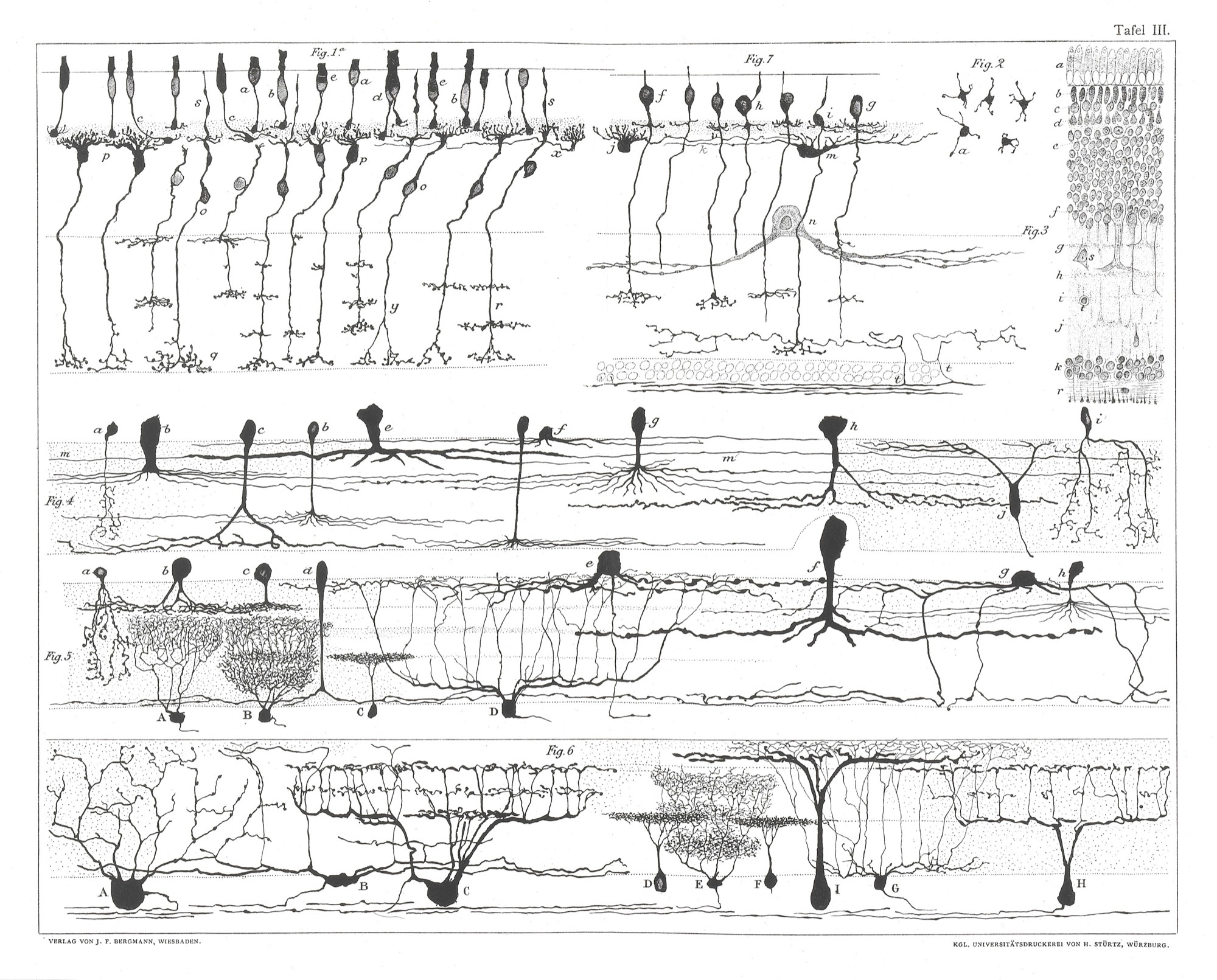
The retina, drawn cell by cellSantiago Ramón y Cajal, 1894. Wellcome Collection.Biology found the layers first. Each row of cells in the eye hands the next a slightly more abstract picture of the world.
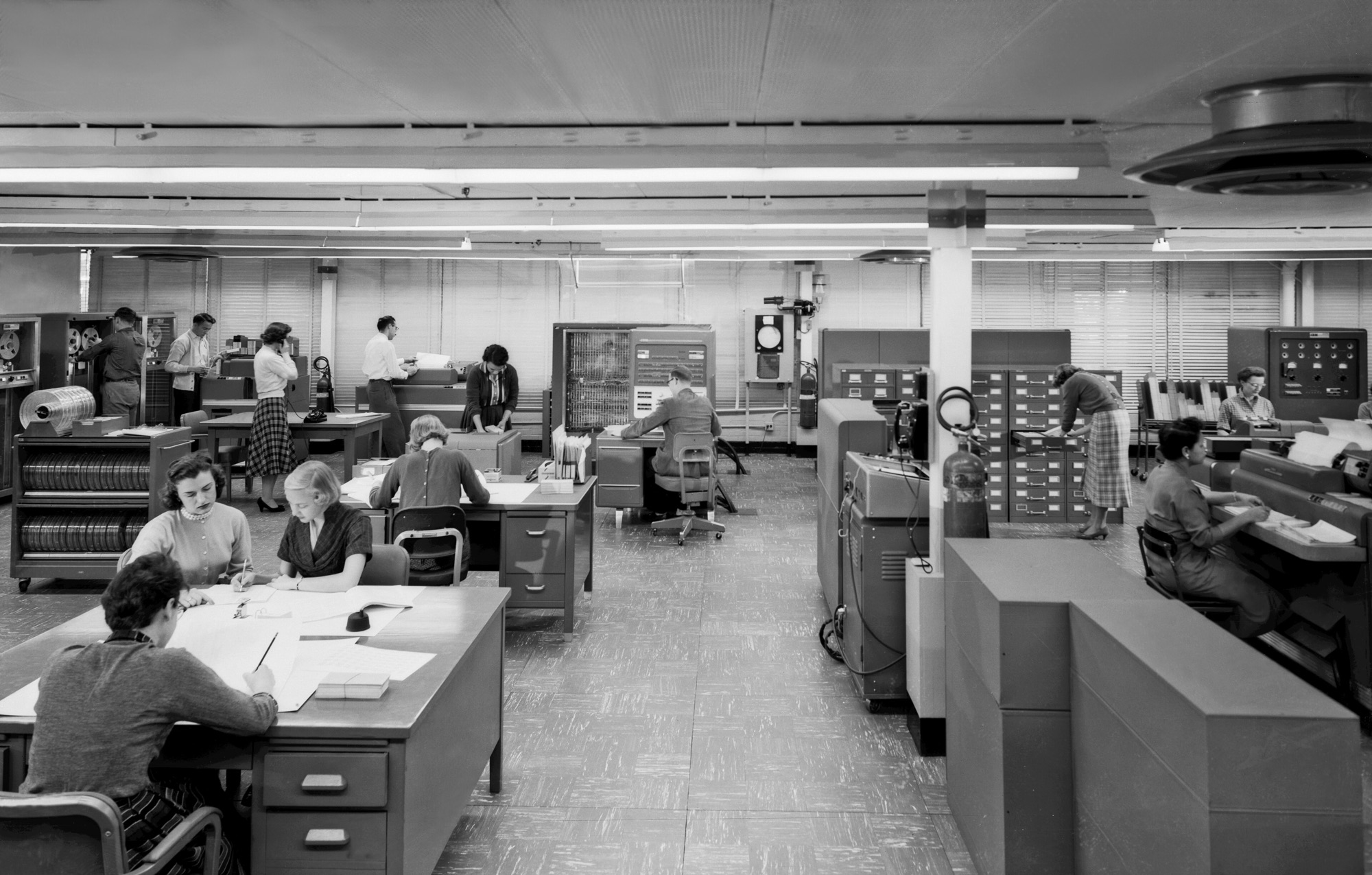
An IBM 704 at NASA, 1957NASA. Public domain.In 1958 Frank Rosenblatt ran the first perceptron as a simulation on this model of machine. One layer of weights, and the start of my field.
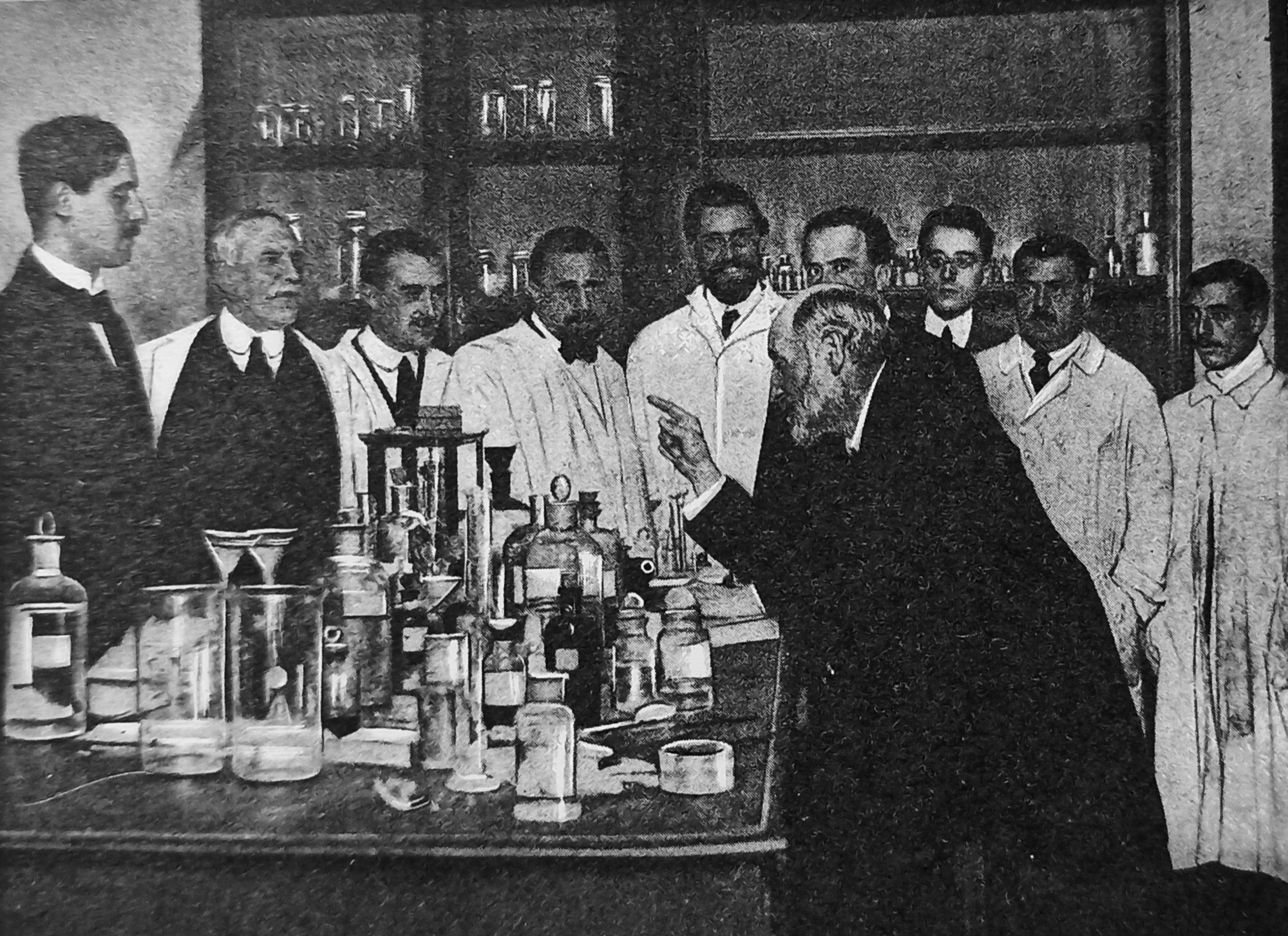
Santiago Ramón y Cajal teachingPublic domain, via Wikimedia Commons.Cajal drew neurons by hand so that other people could see them. Good instruments for looking are still half of research.
Write to me about research, internships, or a tool you need.